
Common Financing Mistakes Self-Employed Borrowers Make and How to Avoid Them
Self-employed professionals face a unique set of hurdles when securing mortgage financing. Unlike W-2 employees who benefit from predictable pay stubs, entrepreneurs must prove income stability through tax returns and financial statements. According to recent industry data, self-employed borrowers are significantly more likely to experience loan delays or denials due to documentation gaps compared to traditional wage earners. This guide outlines the critical errors that derail applications and provides a clear path to approval with Christine Cox at NEXA Lending.
Mistake 1: Underreporting Income on Tax Returns
One of the most common pitfalls for self-employed borrowers is minimizing taxable income to reduce tax liability, which inadvertently lowers their qualifying income for a mortgage. Lenders typically use the net income from Schedule C of the previous two years of tax returns to determine eligibility. If you have written off significant business expenses, your reported net profit may appear low, even if your actual cash flow is strong.
How to Avoid It: Work with a CPA to understand how deductions impact your mortgage qualification. In some cases, you can use add-backs for depreciation, amortization, and one-time expenses to show a higher adjusted income. Christine Cox specializes in analyzing complex tax returns to identify these add-backs, ensuring you qualify for the loan amount you need. Visit our Loan Programs page to see how different lenders view self-employed income.
Mistake 2: Ignoring Debt-to-Income Ratio Impact
Your debt-to-income ratio (DTI) is a critical metric that lenders use to assess your ability to manage monthly payments. For self-employed borrowers, DTI calculations can be tricky because they must account for both personal debts and business obligations. A high DTI can lead to loan denial or higher interest rates, even if your income is substantial.
How to Avoid It: Pay down existing debts before applying for a mortgage. This includes credit cards, auto loans, and student loans. If you have business debts, consider whether they can be refinanced or paid off to improve your personal DTI. Use our Mortgage Calculator to estimate your DTI and see how different debt levels affect your qualifying amount.
Mistake 3: Failing to Organize Financial Records
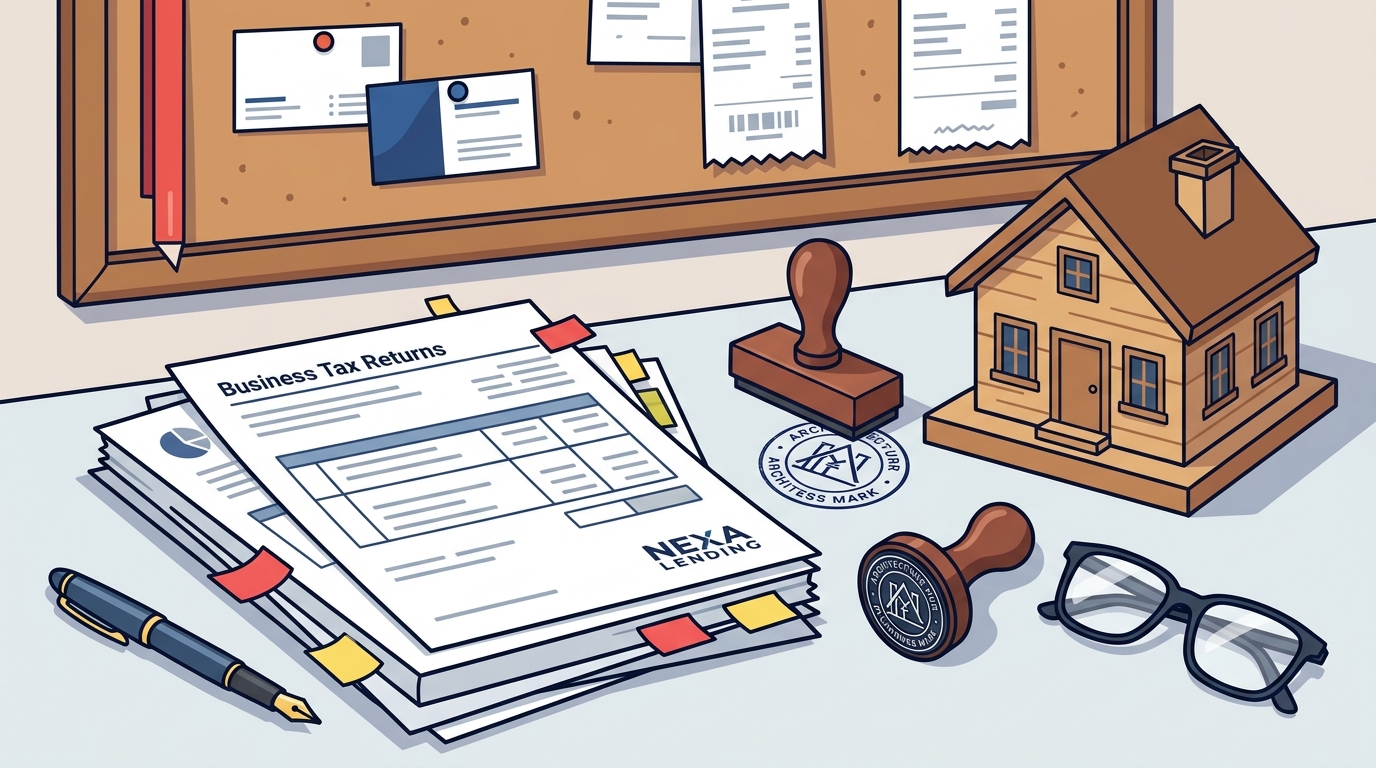
Self-employed individuals often struggle with documentation because their financial records are not as standardized as those of W-2 employees. Lenders require two years of personal and business tax returns, profit and loss statements, and balance sheets. Missing or disorganized documents can delay the underwriting process significantly.
How to Avoid It: Keep meticulous records throughout the year. Use accounting software to track income and expenses, and prepare interim profit and loss statements if your current year's income differs significantly from previous years. Having your documents ready before you apply demonstrates professionalism and speeds up the approval process. Learn more about the Loan Process to understand what documents are needed at each stage.
Mistake 4: Choosing the Wrong Loan Program
Not all mortgage programs are created equal when it comes to self-employed borrowers. Conventional loans may have strict income verification requirements, while government-backed loans like FHA or VA loans may offer more flexibility. Some specialized programs, such as DSCR loans, allow qualification based on rental income rather than personal income.
How to Avoid It: Consult with a loan officer who understands the nuances of self-employed financing. Christine Cox offers expertise in FHA, VA, USDA, Conventional, and Jumbo loans, as well as DSCR loans for investors. By comparing options, you can find a program that aligns with your financial profile and goals.
Mistake 5: Neglecting Credit Score Maintenance
While income is crucial, your credit score plays a vital role in mortgage approval and interest rates. Self-employed borrowers sometimes neglect their credit scores because they are focused on business finances. A lower credit score can result in higher interest rates or even loan denial.
How to Avoid It: Monitor your credit report regularly and address any errors. Pay all bills on time, keep credit card balances low, and avoid opening new credit lines before applying for a mortgage. A strong credit score not only improves your approval chances but also saves you money over the life of the loan. Check your credit status and get pre-qualified with our Monthly Calculator tools.
Key Takeaways
- Income Add-Backs: Lenders can add back depreciation and amortization to your net income to improve qualification.
- DTI Optimization: Paying down personal debt before applying can significantly lower your debt-to-income ratio.
- Documentation: Two years of tax returns and profit/loss statements are standard requirements for self-employed borrowers.
- Program Selection: DSCR loans are ideal for investors, while FHA/VA loans may offer more flexibility for primary residences.
- Credit Health: Maintaining a high credit score is essential for securing the best interest rates.
- Professional Guidance: Working with a loan officer experienced in self-employed financing is critical for success.
- Christine Cox's Expertise: As a Senior Loan Officer at NEXA Lending (NMLS #2040696), Christine Cox serves Alabama, Florida, and Texas with specialized mortgage solutions.
Frequently Asked Questions
How do lenders calculate income for self-employed borrowers?
Lenders typically average the net income from the last two years of Schedule C tax returns. They may also add back certain expenses like depreciation to determine qualifying income.
Can I get a mortgage with only one year of self-employment?
It is challenging but possible. Some lenders offer programs that consider your prior W-2 income in the same field or use bank statement loans to verify income.
What is a DSCR loan?
A DSCR (Debt Service Coverage Ratio) loan qualifies based on the rental income of the property rather than the borrower's personal income. This is ideal for real estate investors.
How can I improve my DTI ratio before applying?
Paying down credit card balances, consolidating debt, or avoiding new credit obligations can help lower your debt-to-income ratio.
Why is it important to work with a specialized loan officer?
A specialized loan officer understands the nuances of self-employed financing and can identify the best loan programs and documentation strategies for your unique situation.
What documents do I need for a self-employed mortgage application?
You will typically need two years of personal and business tax returns, year-to-date profit and loss statements, and balance sheets.
Does Christine Cox serve all states?
Christine Cox is licensed to provide mortgage services in Alabama, Florida, and Texas. She can help you navigate the specific requirements in these regions.
Contact Christine Cox for Your Mortgage Needs
Securing a mortgage as a self-employed borrower requires careful planning and expert guidance. Christine Cox, Senior Loan Officer at NEXA Lending, is dedicated to helping you navigate the complexities of self-employed financing. With expertise in FHA, VA, USDA, conventional, and jumbo loans, she provides tailored solutions for your unique financial profile.
Do not let common financing mistakes derail your home purchase or refinance goals. Contact Christine Cox today to get pre-approved and start your journey toward homeownership with confidence.
Visit yourmoneylady.com to explore our full range of mortgage services and calculators.