

Securing a mortgage as a self-employed professional requires a fundamentally different approach than traditional W-2 employment. According to recent industry data, nearly 36 million Americans work for themselves, yet many face higher rejection rates due to complex income verification processes. This guide outlines how specialized lending strategies can bridge the gap between your business success and homeownership goals.
Understanding Non-QM Loan Options
Traditional mortgage guidelines often fail self-employed individuals because they rely heavily on standardized pay stubs and W-2 forms. Non-QM loans are designed specifically for borrowers who do not meet the strict criteria of traditional mortgage programs. These loans offer flexible financing options for individuals with unique financial situations, such as self-employment or irregular income streams.
Non-QM loans allow lenders to look beyond standard debt-to-income ratios. Instead of relying solely on tax returns, lenders may use bank statement analysis or asset depletion methods to verify income. This flexibility is crucial for business owners who maximize deductions to lower taxable income, which often reduces their reported earnings on Schedule C forms.
Christine Cox, a Senior Loan Officer at Your Money Lady, specializes in navigating these complex lending landscapes. Her strategic partnership focus ensures that clients receive tailored loan structuring that aligns with their specific business cash flow patterns. By leveraging aggressive loan programs, borrowers can secure financing that traditional banks might overlook.
Documentation Requirements for Self-Employed Borrowers
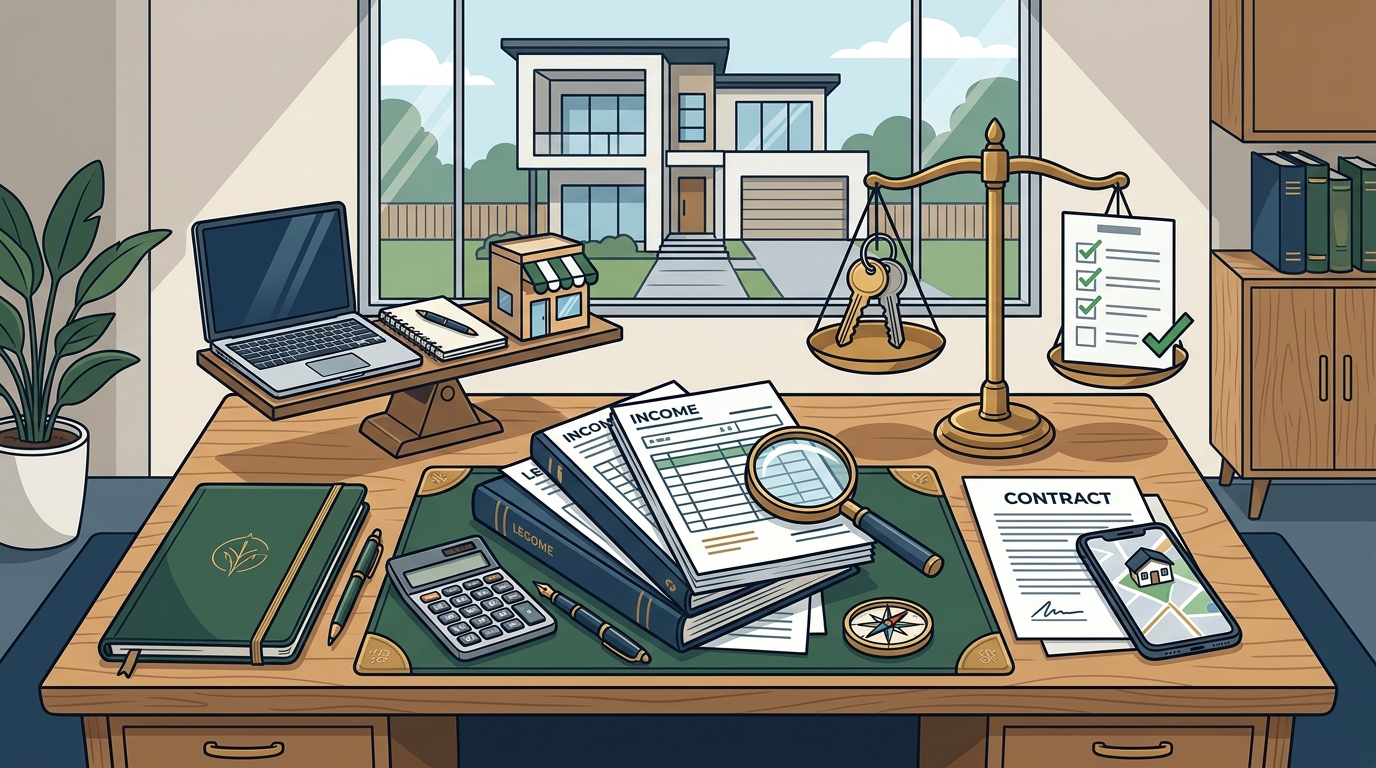
Preparing your financial portfolio is the first step toward approval. Unlike salaried employees who provide two years of W-2s, self-employed borrowers must present comprehensive business financial records. The primary documents typically include two years of personal and business tax returns, including all schedules.
Additionally, year-to-date profit and loss statements are often required to demonstrate current business performance. If your business has experienced significant growth, recent P&L statements can offset lower reported income from previous tax years. This approach highlights the upward trajectory of your revenue, which is a strong indicator of repayment capability.
Your Money Lady simplifies this process by providing clear checklists and personalized guidance. The goal is to present your financial story in the most favorable light. By working with a lender who understands the nuances of self-employment, you can avoid common pitfalls that lead to loan denial.
Benefits of Fixed-Rate Mortgages
Interest rate volatility poses a significant risk for self-employed professionals who may have fluctuating monthly cash flows. A fixed-rate mortgage provides stability by locking in your interest rate for the life of the loan. This predictability allows for accurate long-term budgeting and financial planning.
When interest rates are low, fixed-rate loans are generally not that much more expensive than adjustable-rate mortgages and may be a better deal in the long run. This is particularly true for business owners who anticipate higher tax liabilities or increased business expenses in the coming years.
Fixed-rate mortgages also protect against future rate hikes. As noted by financial experts, the security of a constant payment can provide peace of mind, allowing you to focus on growing your business rather than worrying about monthly housing cost fluctuations. Your Money Lady offers competitive fixed-rate options tailored to your credit profile and loan amount.
Loan Program Comparison
Choosing the right loan program depends on your specific financial situation and business structure. The table below compares common options available to self-employed borrowers.
| Loan Type | Best For | Income Verification | Down Payment |
|---|---|---|---|
| Non-QM Loans | Irregular income or high net worth | Bank statements or asset depletion | 10-20% |
| Fixed-Rate Mortgage | Stable cash flow, long-term planning | Tax returns and P&L statements | 3-20% |
| HARP Loans | Underwater mortgages, refinancing | Standard documentation | Varies |
Each program has distinct advantages. Non-QM loans are ideal for those with complex income sources. Fixed-rate mortgages offer predictability. HARP loans assist those looking to refinance underwater properties. Your Money Lady can help you determine which path aligns with your financial goals.
Key Takeaways
- Non-QM loans provide flexible income verification for self-employed borrowers.
- Two years of tax returns and year-to-date P&L statements are essential documents.
- Fixed-rate mortgages offer payment stability in volatile economic environments.
- Christine Cox specializes in tailored loan structuring for unique financial situations.
- Strategic partnership with NEXA Mortgage ensures competitive pricing and local expertise.
- Self-employed individuals can qualify for homeownership with proper documentation and guidance.
- Your Money Lady serves clients across multiple states, including Alabama, Florida, and Texas.
Frequently Asked Questions
What is a Non-QM loan?
Non-QM loans are mortgage products that do not conform to Qualified Mortgage guidelines. They are designed for borrowers who have non-traditional income sources or complex financial profiles.
How much income do I need to qualify?
Income requirements vary by loan program. Non-QM loans often use bank statement lending, which looks at cash flow rather than reported taxable income. This can result in higher qualifying income for business owners.
Can I get a mortgage with a low credit score?
While credit scores are important, Non-QM loans may offer more flexibility. Your Money Lady can help you explore options based on your specific credit profile and financial history.
What documents are needed for self-employed borrowers?
Typically, you will need two years of personal and business tax returns, year-to-date profit and loss statements, and recent bank statements. Additional documents may be required based on your business structure.
How long does the approval process take?
The timeline depends on the complexity of your financial situation. With proper documentation and a specialized lender, the process can be streamlined to close in as little as 30 days.
Do you offer loans in all states?
Your Money Lady currently serves clients in Alabama, Florida, and Texas. Contact us to confirm availability in your specific area.
What is the difference between a fixed-rate and adjustable-rate mortgage?
A fixed-rate mortgage has a constant interest rate and payment for the life of the loan. An adjustable-rate mortgage (ARM) has a rate that changes periodically, which can lead to payment fluctuations.
How can I improve my chances of approval?
Minimize new debt, maintain strong credit scores, and provide comprehensive financial documentation. Working with a Senior Loan Officer who understands self-employment can significantly improve your approval odds.
Start Your Homeownership Journey Today
Financing a home as a self-employed professional is achievable with the right guidance. Your Money Lady offers personalized service and expert knowledge to help you navigate the lending process. Whether you need a fixed-rate mortgage, a Non-QM loan, or assistance with refinancing, Christine Cox is here to help.
Take the first step toward your dream home. Apply now to schedule a consultation and receive a free quote. Visit our About Us page to learn more about our commitment to mortgage excellence.